
Set small between-visit habits
Walk the site with one practical question in mind: where does keep a Commercial Property Looking Managed Between Services affect access, first impressions, safety, tenant expectations, or scheduling?
For Nova Scotia commercial properties, timing and condition matter. A property can look manageable from the road while still having problem areas around entrances, garbage areas, walkways, parking edges, tenant paths, signage, high-traffic turf, and litter-prone corners.
- Review entrances, garbage areas, walkways, parking edges, tenant paths, signage, high-traffic turf, and litter-prone corners
- Note small messes becoming complaints, blocked access, litter buildup, tenant-created obstacles, and service frequency that no longer matches the site
- Check whether the issue is one-time, seasonal, or recurring
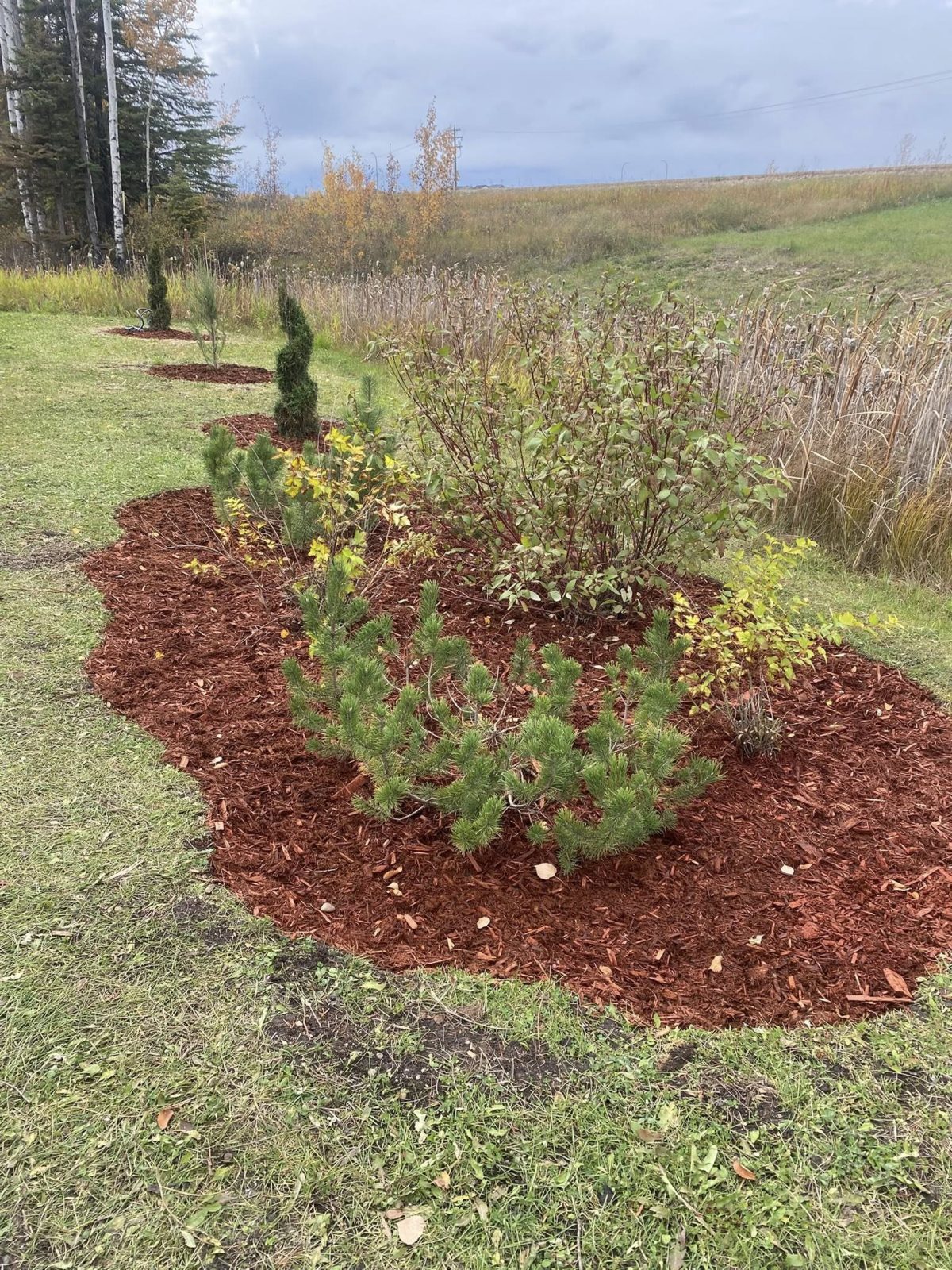
Watch the areas that decline fastest
A useful review looks at both presentation and function. The visible areas affect confidence in the property, while the access and service details decide how efficiently crews can maintain it.
- Where the property looks rough from a customer, tenant, or staff path
- Where access, parking, equipment movement, or weather changes the work
- Where the same issue appears after mowing, cleanup, snow melt, storms, or tenant use
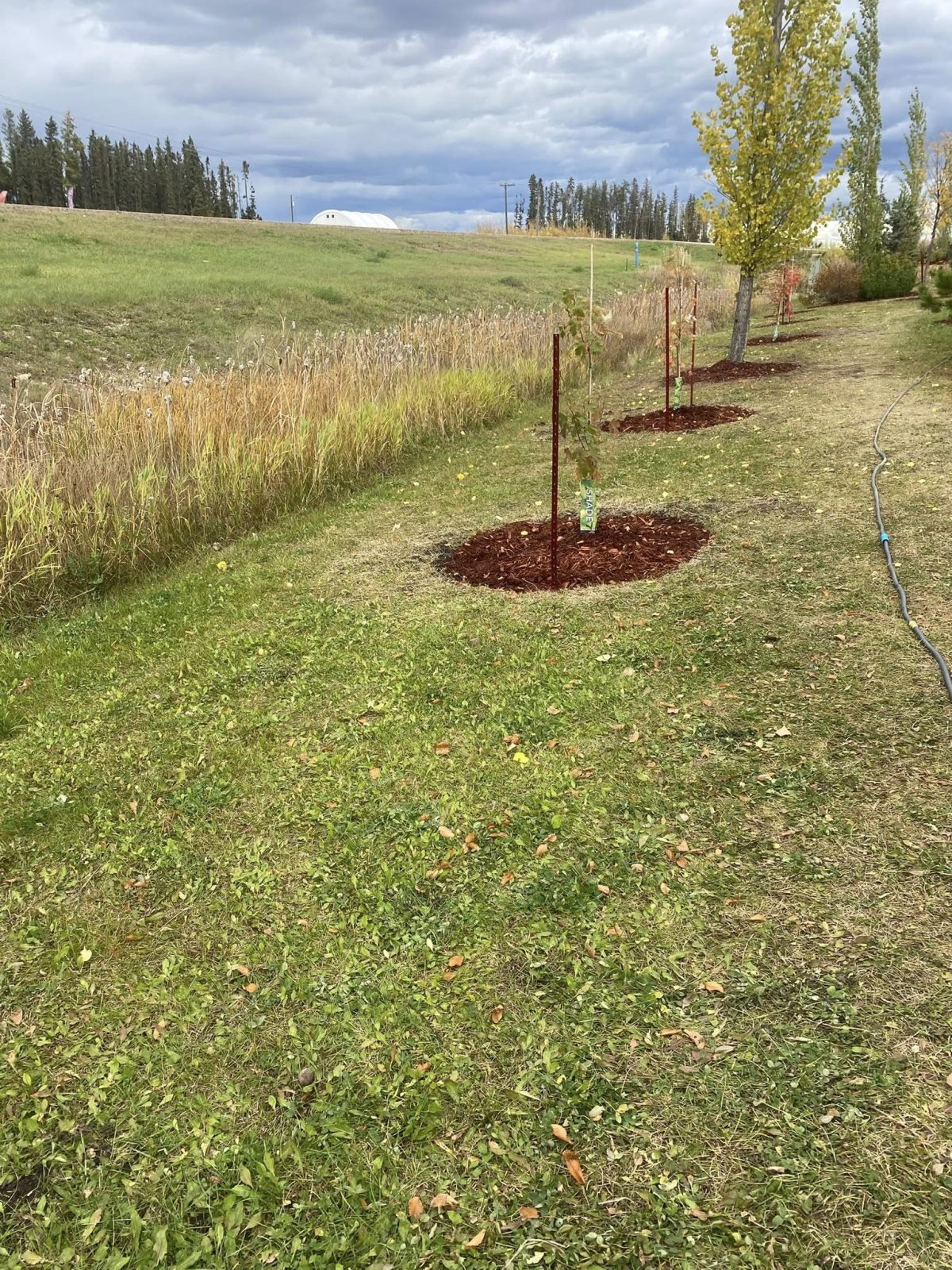
Report issues early instead of waiting for the next visit
Once the site has been reviewed, decide whether the work is a reset, a recurring service item, or a seasonal planning issue. That decision changes the service frequency, crew timing, equipment fit, and quote detail needed.
- One-time reset work when the property has fallen behind
- Recurring service when the same issue will return without routine care
- Seasonal planning when between recurring visits, after storms, during high traffic, and before seasonal cleanup periods changes what should happen first
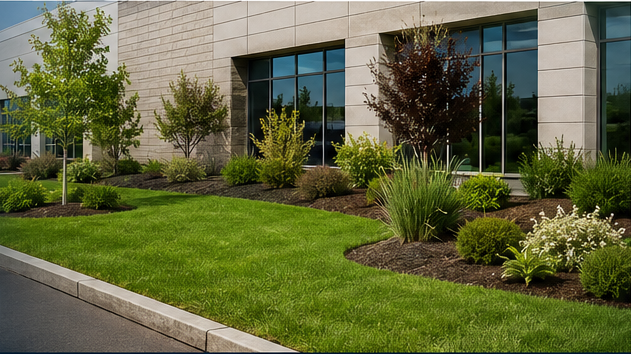
What to look at before you book
Before this turns into a quote request, walk the site the same way a tenant, customer, employee, or crew member would use it. The useful details are often practical: where people enter, where vehicles stack up, where snow or debris collects, and which areas look neglected first.
Use that pass to connect the visible condition to timing, access, service frequency, and the kind of exterior maintenance LawnSharks should price.
Use between-service notes to tune frequency
A quote-ready request should explain what matters most, where the work is located, and why the timing matters. Photos and short notes help LawnSharks understand the property before recommending the next step.
- Wide photos showing layout, entrances, access, and scale
- Close photos showing small messes becoming complaints, blocked access, litter buildup, tenant-created obstacles, and service frequency that no longer matches the site
- Timing notes for between recurring visits, after storms, during high traffic, and before seasonal cleanup periods, plus service frequency, access, and business-hour limits
Send wide shots for layout and close photos for the detail areas mentioned in the guide.
Add timing, access, tenant, parking, gate, and seasonal constraints so the estimate reflects the real site.