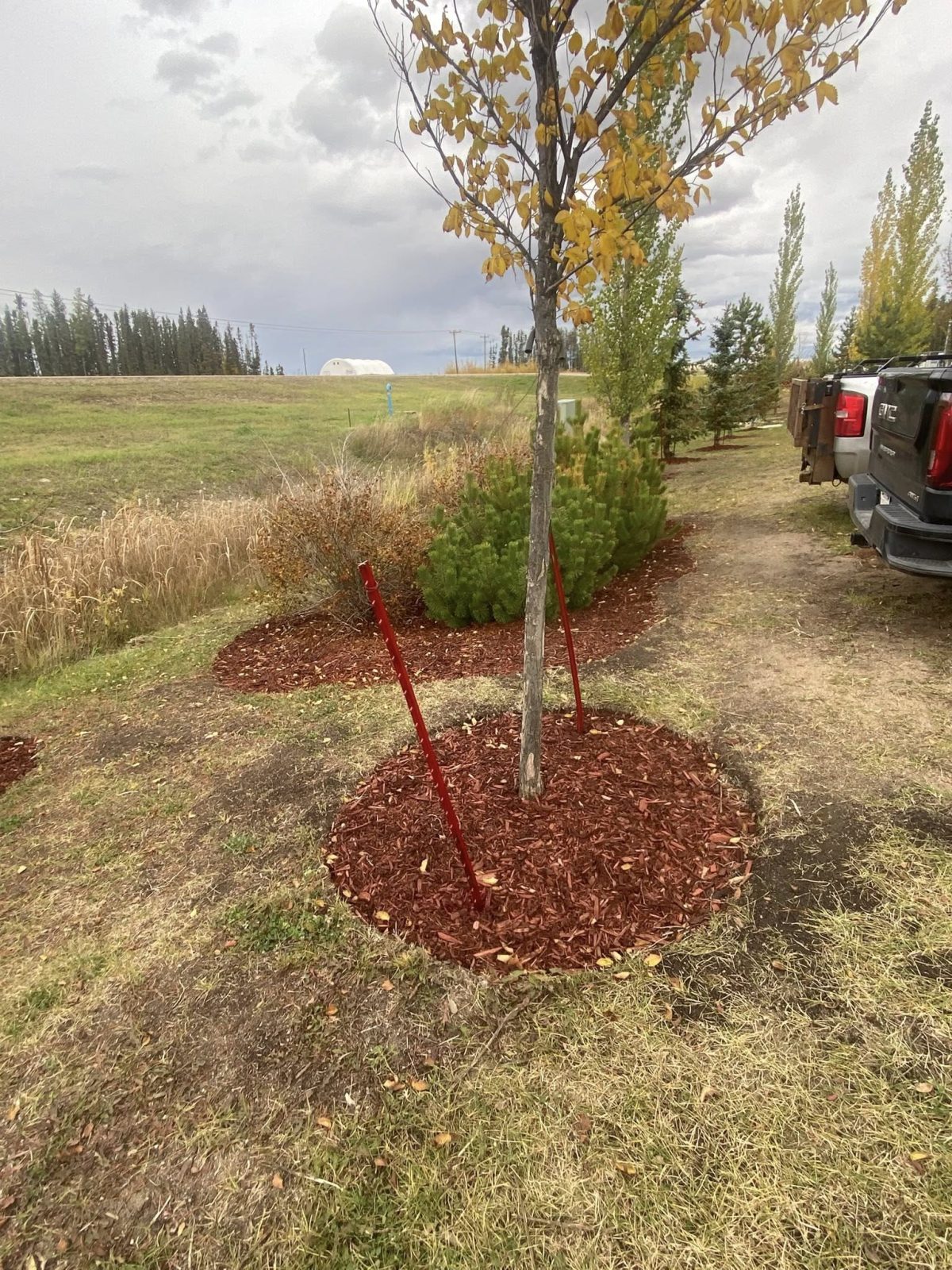
Look at the property from arrival points
First impressions are made from the road, the parking stall, and the walk to the door before anyone notices the details.
Start with the real-use areas of the property, then work outward to the spots that affect crew access, seasonal timing, and tenant or customer experience.
- Walk road frontage, parking entries, signs, storefronts, walkways, beds, and entrance turf
- Look for rough edges, weeds, debris, tired beds, and overgrowth signaling that the property is not actively managed
- Note whether the issue is urgent, seasonal, or recurring
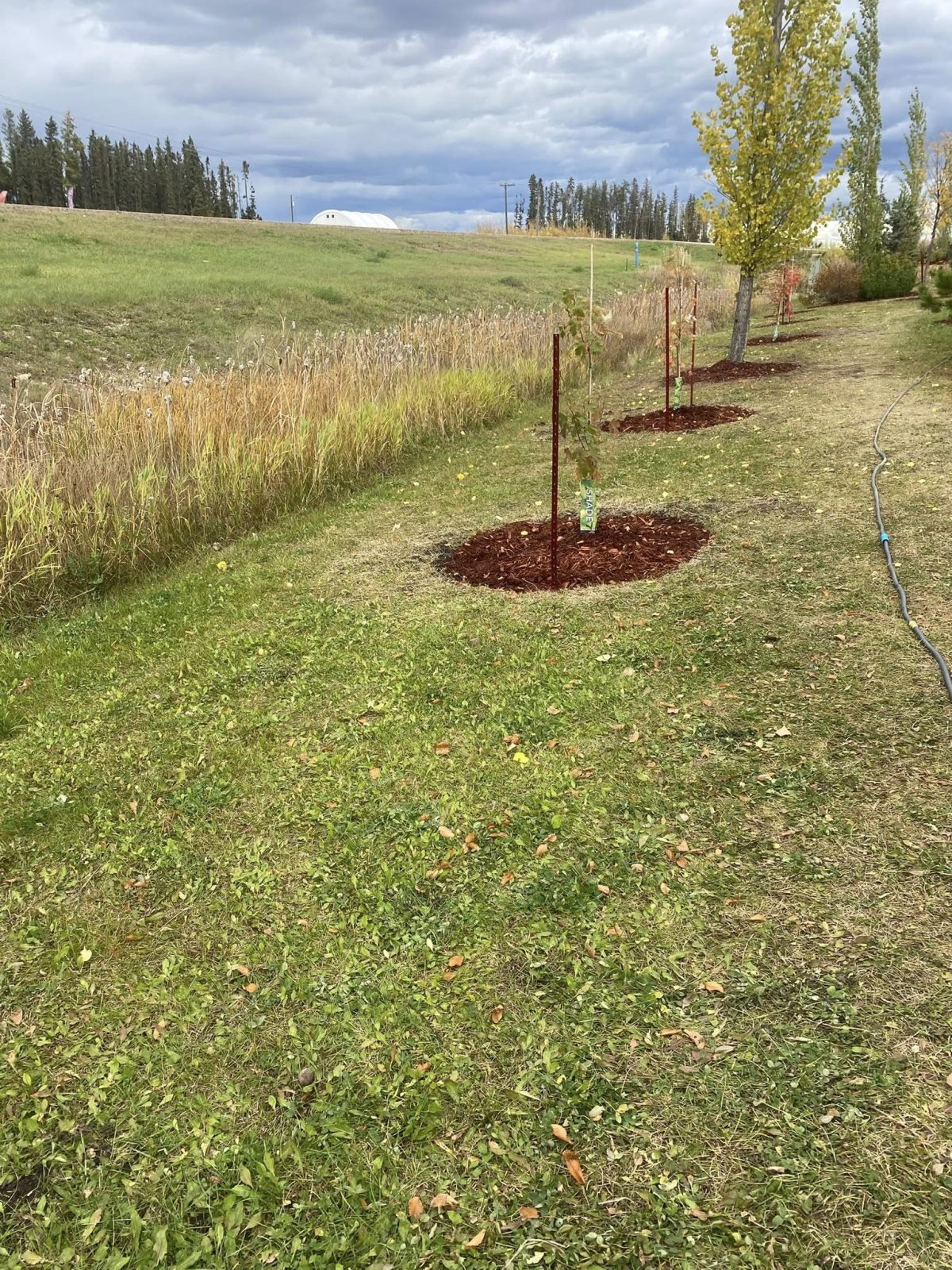
Focus on what people notice in the first minute
A useful review does not stop at appearance. It also checks how vehicles move, how people enter, how weather changes the surface, and where crews may lose time.
For this topic, pay special attention to frontage, signs, entrances, parking edges, beds, and the customer path into the property.
- Check the customer, tenant, staff, or crew path
- Compare wide site views with close detail areas
- Mark places where the condition repeats after weather, traffic, or service visits
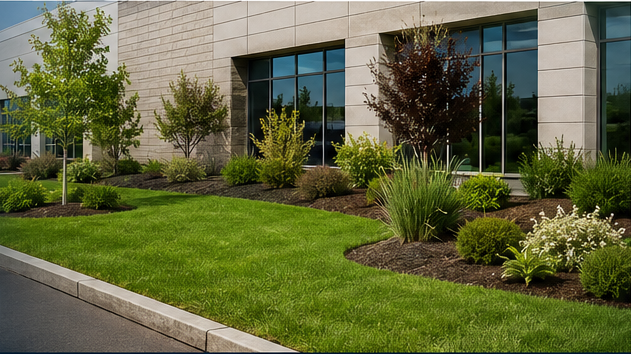
Prioritize visible work before hidden work
After the site review, sort the work into reset items, recurring maintenance, seasonal planning, and anything that may need special access or follow-up. That keeps the estimate focused on the actual property instead of a generic service list.
- Reset work for areas that have already fallen behind
- Recurring care for conditions that will return without routine visits
- Seasonal timing for before peak customer periods, leasing pushes, tenant openings, and seasonal transitions
What to look at before you book
Before this turns into a quote request, walk the site the same way a tenant, customer, employee, or crew member would use it. The useful details are often practical: where people enter, where vehicles stack up, where snow or debris collects, and which areas look neglected first.
Use that pass to connect the visible condition to timing, access, service frequency, and the kind of exterior maintenance LawnSharks should price.
Send photos from the customer path
The best request gives LawnSharks enough detail to understand the site before pricing the work. A few clear photos and short notes can prevent extra back-and-forth and make a walkthrough more productive if one is needed.
- Send wide photos for layout, access, and scale
- Send close photos showing rough edges, weeds, debris, tired beds, and overgrowth signaling that the property is not actively managed
- Include timing, business-hour, tenant, parking, gate, and seasonal constraints
Use one wide photo for the whole area and close photos for the details that affect time, access, or finish standard.
Add timing, tenant concerns, business hours, parking limits, gates, and any seasonal pressure that changes the work.