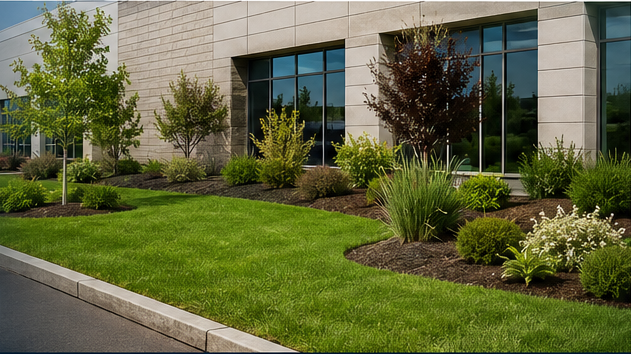
Prioritize resident-facing zones
Residents and visitors form impressions from entrances, sidewalks, parking edges, common lawns, garbage areas, and leasing routes. These zones should stay clean, trimmed, and easy to use.
- Main entrances, leasing paths, sidewalks, and common lawns
- Parking edges, garbage areas, signage, and resident access routes
- Messy corners, weeds, litter, and overgrowth that affect daily use
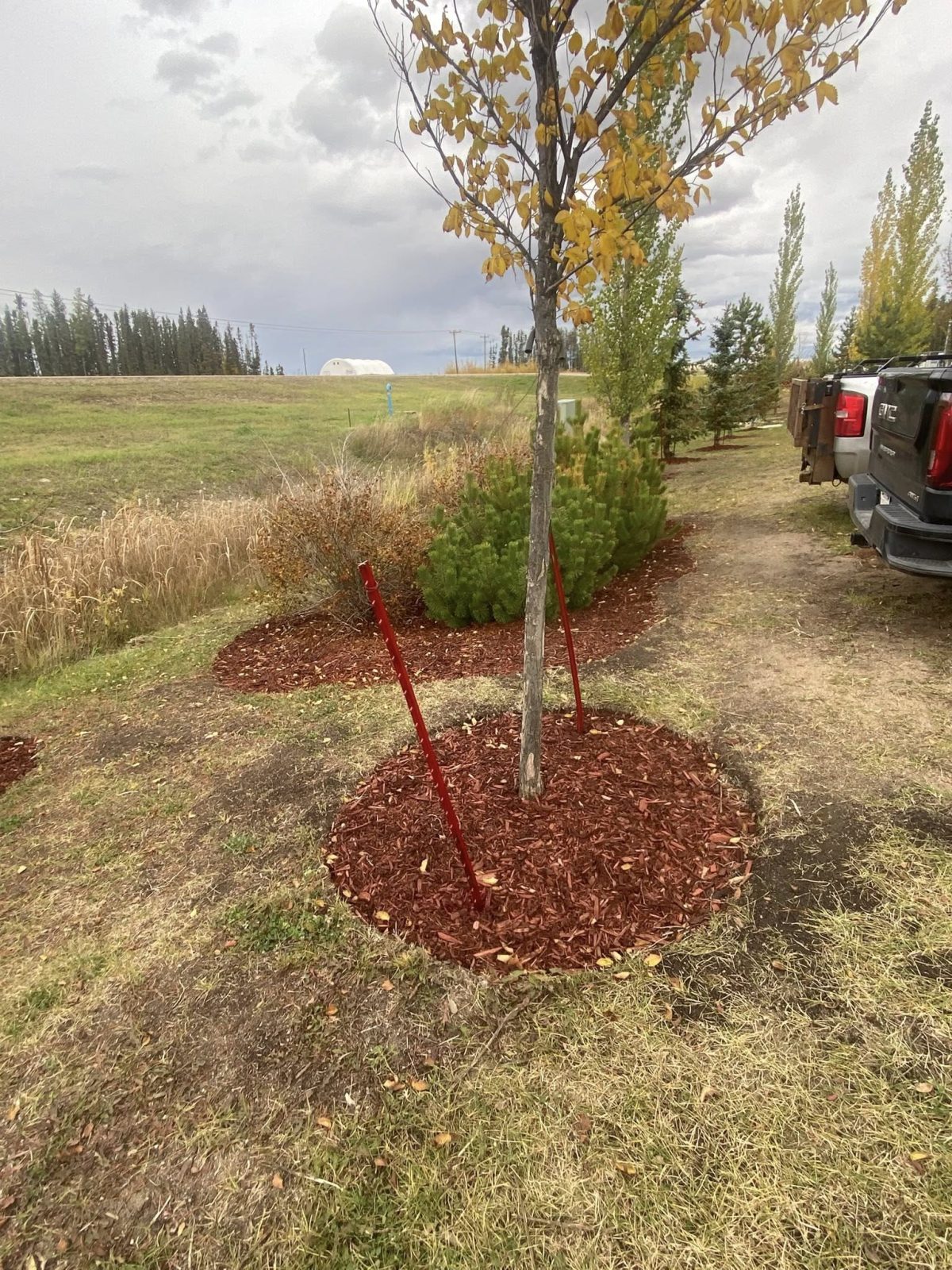
Match maintenance to occupancy and traffic
Multi-unit properties often see steady foot traffic, parked vehicles, garbage movement, pets, and resident complaints. Service frequency should reflect how quickly the property shows wear between visits.
- Traffic patterns around entrances, sidewalks, parking, and garbage access
- Mowing, trimming, blowing, litter pickup, and edge finishing needs
- Areas affected by pets, shade, compacted turf, or parked vehicles
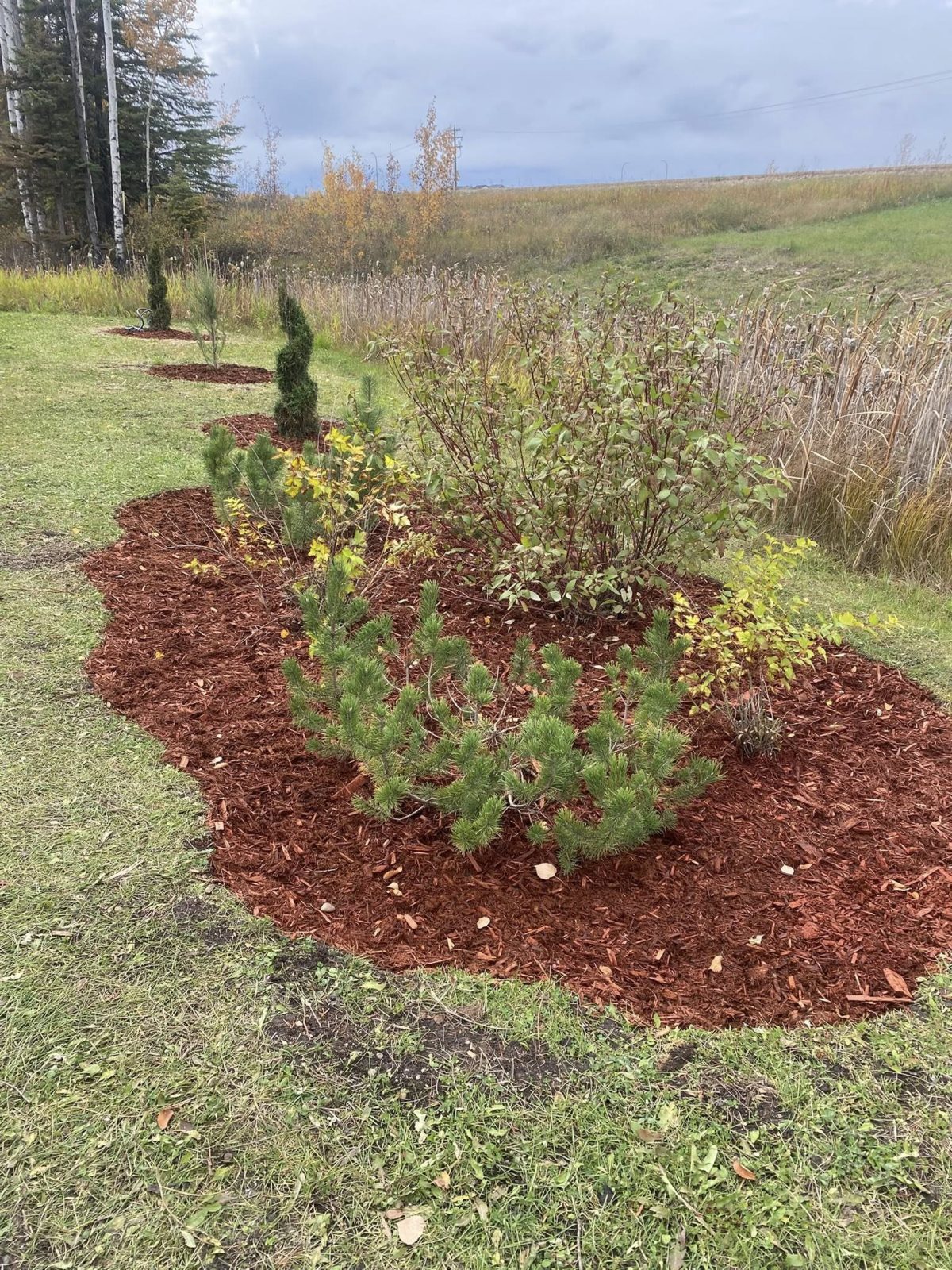
Use seasonal cleanup to reduce complaints
Spring gravel, salt, debris, fall leaves, icy walkways, and snow storage can quickly affect residents. Seasonal cleanup should target the areas that create complaints or access problems first.
- Spring cleanup around walkways, parking edges, turf, and entrances
- Fall leaves, final mowing, bed cleanup, and snow-prep obstacles
- Winter access notes for garbage, parking, sidewalks, and entrances
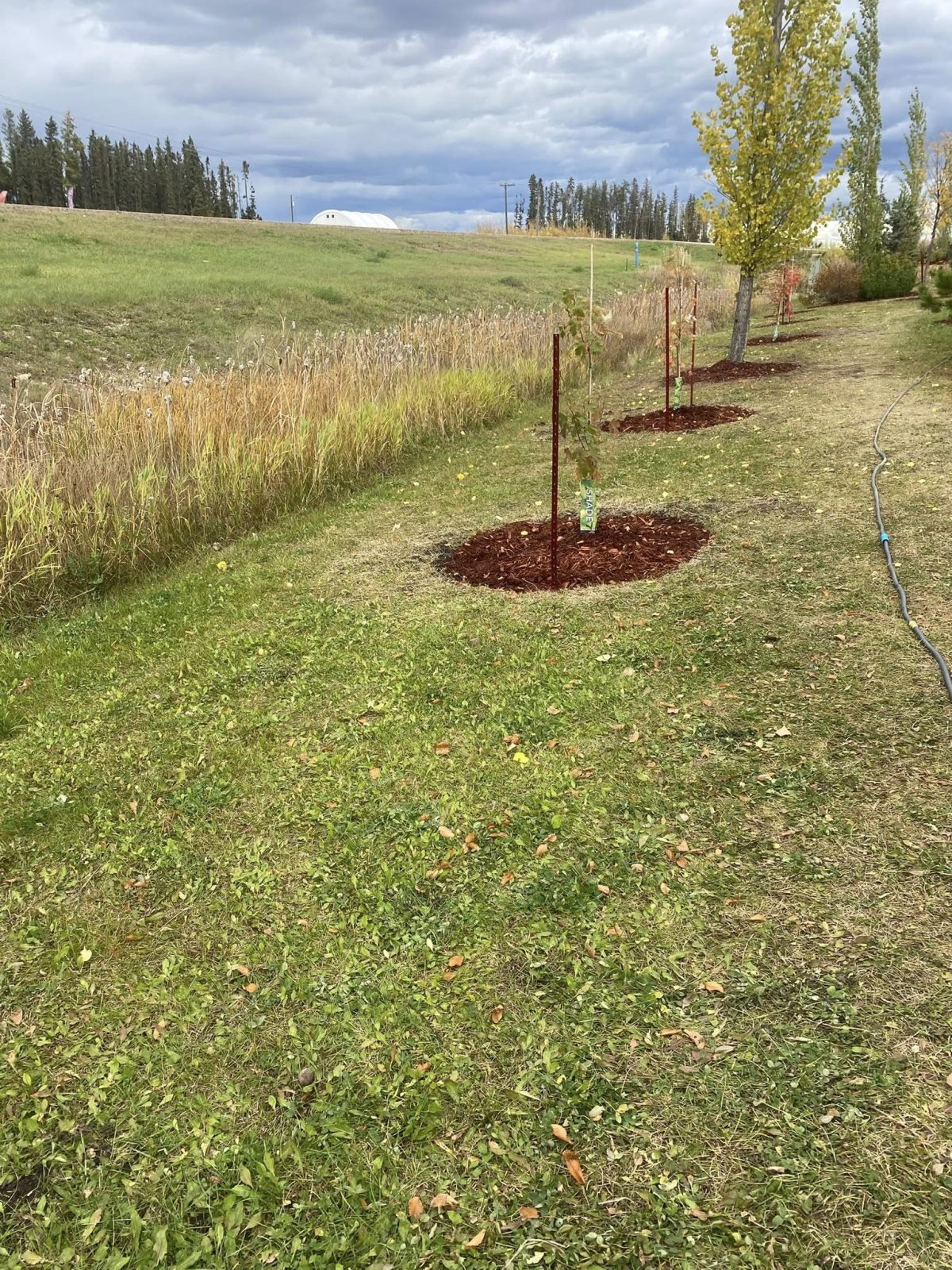
Plan around the people using the site
Property type changes the maintenance plan because people use each site differently. Residents, shoppers, staff, deliveries, visitors, and contractors all create different pressure points around entrances, parking, garbage access, sidewalks, and green space.
Use that pass to connect the visible condition to timing, access, service frequency, and the kind of exterior maintenance LawnSharks should price.
Prepare a complete multi-unit estimate request
Apartment estimates should explain building count, resident areas, parking, garbage access, recurring issues, preferred timing, and service frequency. Photos should show both the full site and the detail areas.
- Building count, common areas, entrances, walkways, and parking layout
- Photos of turf, beds, garbage areas, edges, access, and problem zones
- Timing, tenant concerns, service frequency, and seasonal priorities
Send wide shots for layout and close photos for the detail areas mentioned in the guide.
Add timing, access, tenant, parking, gate, and seasonal constraints so the estimate reflects the real site.